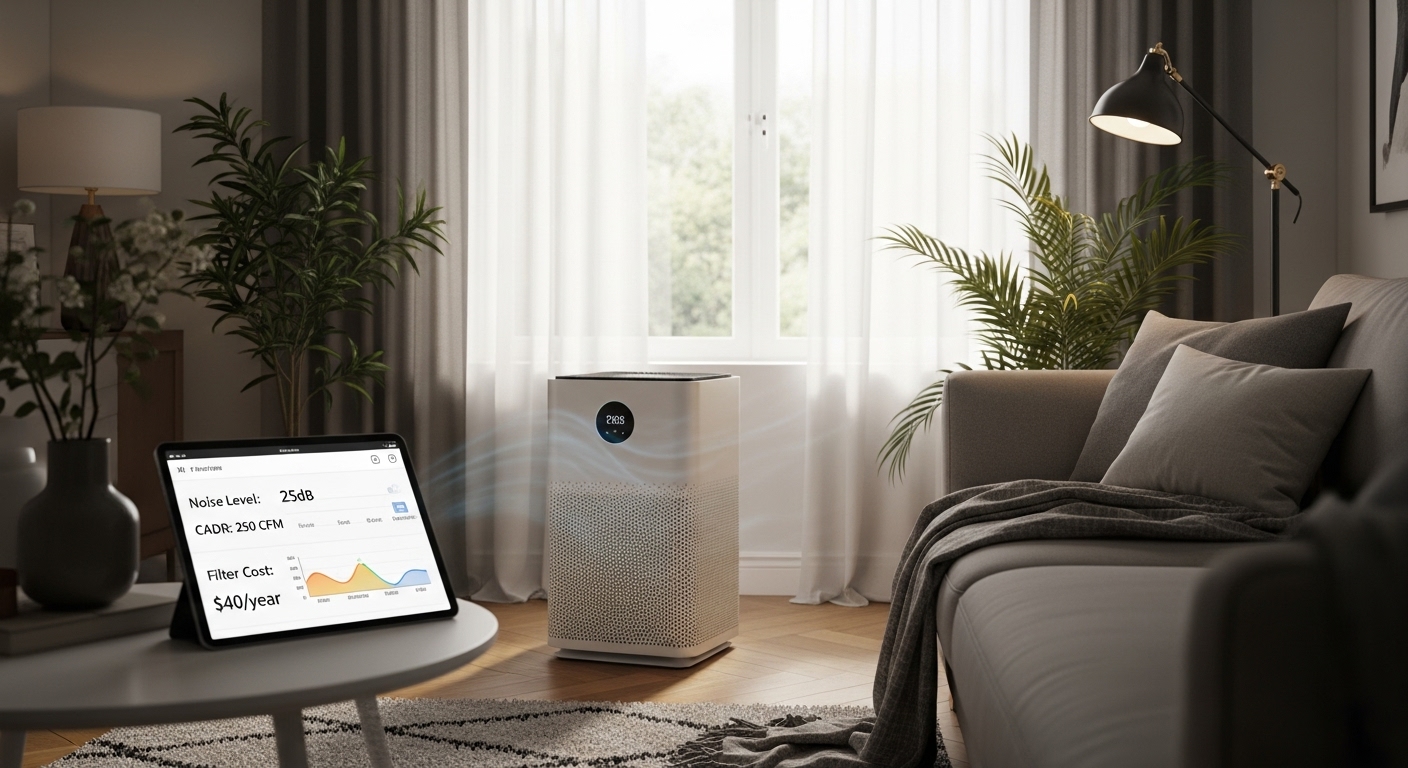
(Noise, CADR, and Filter Cost Breakdown)
A good air purifier can make your living room feel noticeably fresher—less dust in the sunlight, fewer lingering odors, and fewer “why am I sneezing?” moments.
But for a medium-sized space, the best choice isn’t just “True HEPA.” It’s the right mix of quiet operation, real airflow (CADR), and reasonable long-term filter upkeep.
Disclosure: As an Amazon Associate, I may earn from qualifying purchases.
What “Works” in a Medium Living Room
For living rooms, I prioritize:
- CADR over marketing room-size claims (CADR tells you how fast it actually cleans)
- Noise you can live with during TV time and sleep mode
- Filter ecosystem (availability, how often you replace, and whether a washable pre-filter reduces cost)
- Odor handling (carbon stage matters for cooking/pets)
Top Picks
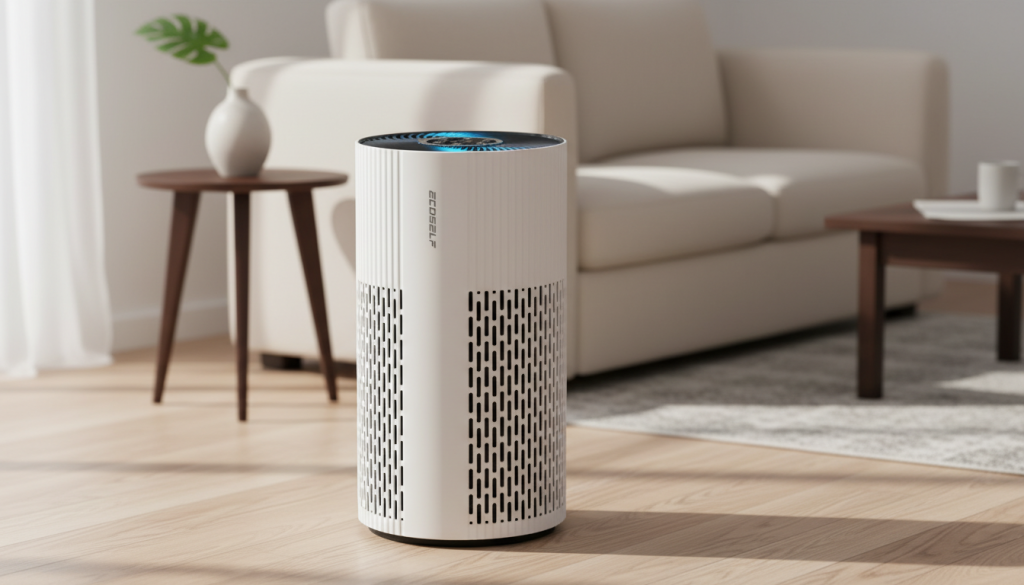
1) HAP604 360° Intake True HEPA Tower (Best for Quiet, Set-and-Forget Use)
What it’s like
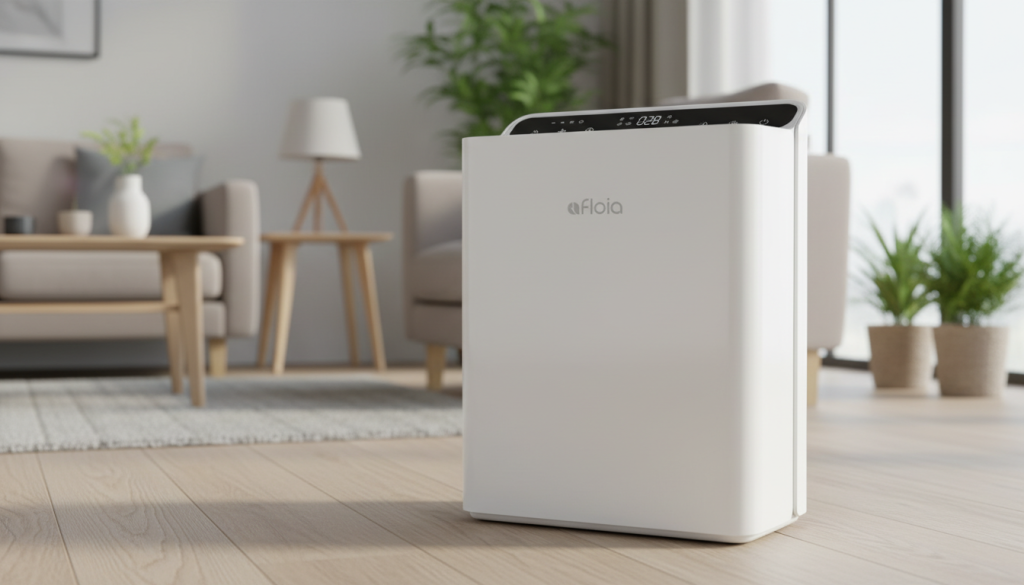
A clean, no-fuss tower style with 360° air intake/outlet and a strong emphasis on quiet sleep mode. This is the type that’s easy to place near a sofa wall or corner and just leave running.
Noise (real-life expectation)
- “Ultra-quiet” modes are great for background use, but any purifier gets louder on higher speeds (when you actually need maximum cleaning).
CADR / airflow reality check
- Coverage claims can be generous; for a medium living room, it should still do well if you run it continuously and bump speed up during cooking, guests, or pet shedding.
Filter cost & upkeep
- Expect a standard replacement routine: pre-filter + HEPA + carbon in one cartridge (varies by model).
- Best value if you’re consistent about vacuuming the intake and not running it on max 24/7.
Pros
- Strong “quiet daily driver” vibes
- 360° intake helps placement flexibility
- Simple operation for everyday freshness
Cons
- Marketing coverage can overpromise if you only run it on low
- Odor control depends on the carbon stage (varies by filter design)
Best for: light-to-moderate dust/pets, people who want low-noise background cleanup.
2) Smart App + Voice Control Purifier with Air-Quality Sensor (Best Smart Features)
What it’s like
This one is for people who want automation—sensor-driven fan speed, app control, and voice assistant compatibility. In a living room, that’s actually useful: it can ramp up when air quality dips (cooking smells, candles, guests).
Noise
- Auto mode can mean fan surges when the sensor detects particles—great for cleaning, but you’ll notice it during a quiet movie scene.
CADR / airflow
- Sensors help, but airflow is still king. For medium living rooms, it shines when you let it actively respond instead of leaving it on one speed.
Filter cost & upkeep (big advantage here)
- A washable pre-filter can reduce how fast the main filter loads up, especially with pets. That typically means:
- less frequent HEPA/carbon replacements
- better long-term performance consistency
Pros
- Convenience: app, voice, and sensor automation
- Washable pre-filter can improve long-term upkeep
- Great for “life happens” living rooms (cooking + pets + people)
Cons
- Auto mode noise changes can be distracting
- You’ll want to keep the sensor area clean for accurate readings
Best for: tech-friendly homes, variable living room conditions, anyone who wants “smart” cleanup with less manual fiddling.
3) Large-Room True HEPA + Carbon Purifier with PM2.5 Display (Best for Odors + Higher Cleaning Speed)
What it’s like
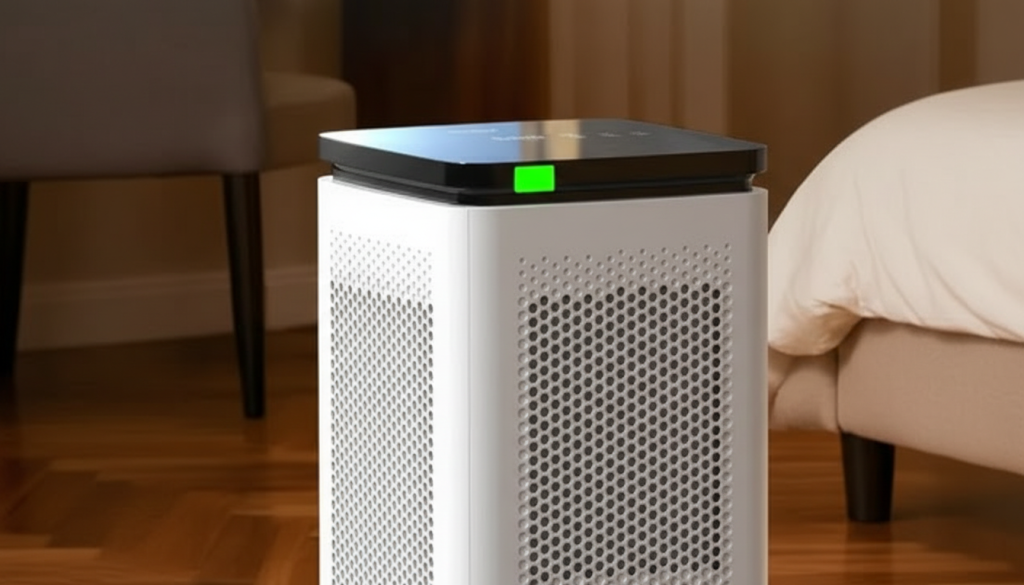
This is the “power” option: True HEPA + carbon, a PM2.5 display, and a listed CADR spec. Even if it’s marketed for larger spaces, that can be a good thing—running a bigger unit on a lower speed often gives you strong cleaning with less noise.
Noise
- Bigger airflow units can be louder on high, but the trick is:
Oversize it and run it lower for a quieter experience.
CADR / airflow
- This style usually makes the most sense if your “medium living room” is open to a kitchen or hallway. More airflow means faster cleanup after:
- cooking
- candles
- guests
- heavy shedding
Filter cost & upkeep
- Carbon-heavy setups can handle odor better, but filters may cost more over time depending on design.
- The payoff: better smell control and quicker “air reset.”
Pros
- Great for open layouts and faster air turnover
- PM2.5 display is helpful for seeing when air changes
- Stronger odor potential with carbon stage
Cons
- Physically larger footprint
- On max speed, any high-airflow unit is noticeable
Best for: open-concept living rooms, frequent cooking odors, smoke sensitivity, households that want faster cleaning.
4) LEVOIT Core 300-P (AHAM VERIFIED) (Best Overall for Most Medium Living Rooms)
What it’s like
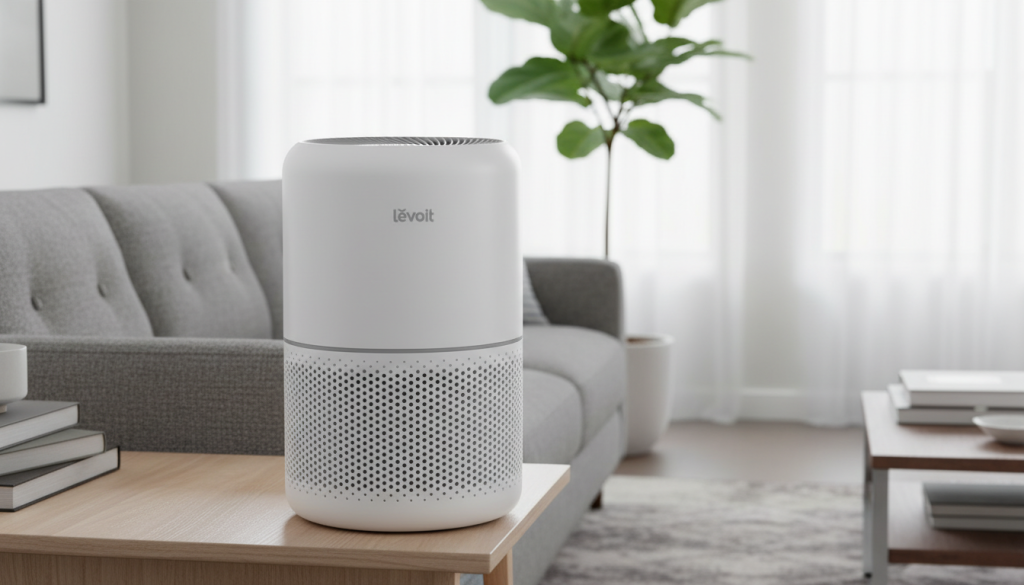
This is the most “trustworthy, easy to live with” pick for a medium living room because it’s AHAM VERIFIED (a big deal when you’re comparing real performance). It’s simple, popular, and tends to have a straightforward filter replacement experience.
Noise
- Very livable at lower speeds; higher speeds are for when you need a fast cleanup.
- In daily use, it’s the kind you can keep running without it becoming the main character of the room.
CADR / performance trust
- AHAM verification helps cut through marketing claims and gives more confidence that you’re getting real, repeatable results.
Filter cost & upkeep
- A common advantage with widely used models: filters are easy to find, and you’re less likely to get stuck with “out of stock” replacements.
- Long-term cost is mostly about how often you replace filters (pets, smoke, and candles shorten lifespan).
Pros
- AHAM VERIFIED credibility
- Easy, consistent day-to-day use
- Filter availability is typically simpler with popular models
Cons
- If your living room is very open to other areas, you may prefer a higher-airflow option
- Odor control depends on the carbon stage (as with most compact units)
Best for: most medium living rooms, allergy-prone households, anyone who wants a reliable “set it and forget it” purifier.
The Comparison That Actually Matters
Noise: What you’ll notice daily
- Quietest vibe: #1 and #4 on low/sleep settings
- Most likely to change noise levels: #2 (auto mode ramps up)
- Best “quiet + strong cleaning” strategy: #3 (oversize, run lower)
CADR: The performance truth serum
- If your living room is closed-off and truly medium-sized: #4 is usually enough.
- If your living room connects to kitchen/hallways: #3 often feels more effective.
- If you want the purifier to “think for you”: #2’s sensor/auto mode helps.
Filter cost breakdown (no prices—just the reality)
Think of filter cost as three layers:
- Pre-filter: catches hair and big dust
- Washable pre-filters (like #2) can reduce main filter wear.
- HEPA stage: captures fine particles (dust, pollen, dander)
- Lifespan drops faster with heavy dust/pets/smoke.
- Carbon stage: helps with odors/VOCs
- Odor-heavy homes burn through carbon faster.
Most cost-effective habit: keep the intake clean + don’t wait until airflow is obviously weak.
Best Overall Pick
Best overall for medium living rooms: LEVOIT Core 300-P (#4)
Because performance credibility (AHAM VERIFIED), daily livability, and filter practicality usually matter more than flashy claims.
When I’d choose differently
- Open concept / fast odor cleanup: choose #3
- You want automation + washable pre-filter: choose #2
- You want simple + quiet tower placement: choose #1
Real-World Use Tips (So You Feel the Difference)
- Run it continuously on a low/medium setting, then boost for 30–60 minutes after cooking or guests.
- Place it where air can circulate: not jammed behind a curtain or directly under shelves.
- If pets are on the couch: vacuum the area first—purifiers help airborne particles, not clumps of fur.